 Buy this domain
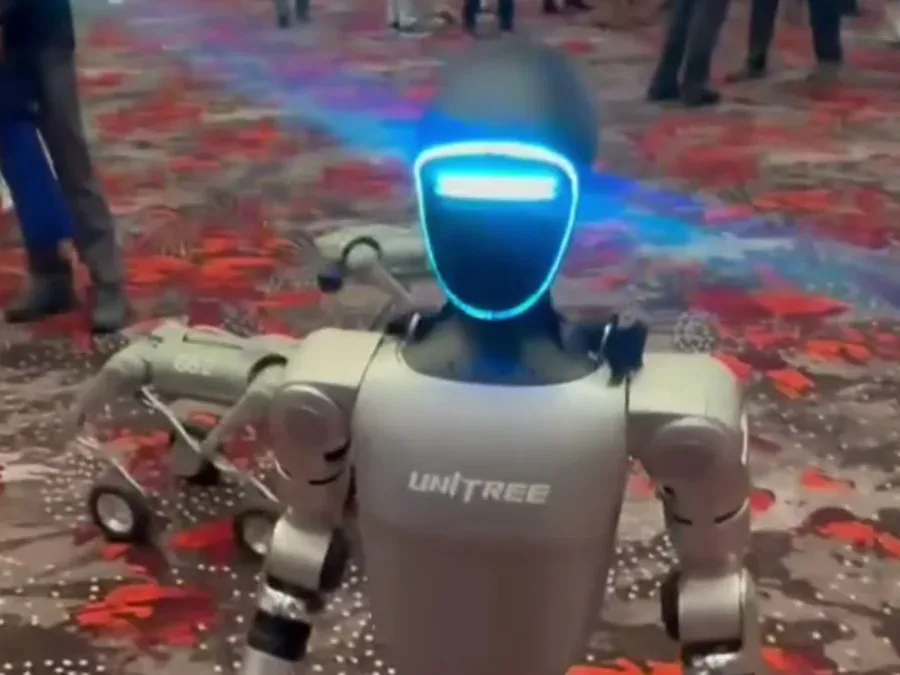
A humanoid robot ran for an hour at Novares’ car-parts plant in Seseña, Spain, completing 200 cycles, according to the automotive supplier. Picking up boxes proved harder than picking up individual parts. Novares reported 99.5% success for part handling and 95% for box handling in its November 17 account of the trial.
What changed on the factory floor
The partners had already tested the technology at a research center in Lens, France. In early November they took it to Seseña to see how it performed alongside production staff. Novares selected the jobs and evaluated the results. Innov8 integrated the Unitree hardware, and Bleu Robotics supplied the software that learns from operator demonstrations.
Bleu Robotics says it took twelve demonstrations to teach the first task at the workstation. Novares puts the training time for that task at eleven minutes. That figure describes one setup. The hour of autonomous operation was a separate measurement.
What the percentages leave open
Novares reported detecting parts successfully in every measured case. Handling them was a separate test: finding a part does not tell an operator whether the robot picked it up and placed it correctly. The release gives no separate attempt counts for part handling and box handling, so its 200 cycles cannot be used to calculate how many boxes the robot missed.
The next useful measurement would be a full shift: how many boxes the robot handled, how often a person stepped in, and how long recovery took. For now, the documented result is a customer-confirmed factory pilot. See the Seseña deployment record.