Buy this domain
| Robot | Price | Status |
|---|---|---|
| Series 1 Full Body | From $59,950 | Taking orders |
| NEO | From 20,000 USD | Taking orders |
| 4NE1 | From €98,000 | Taking orders |
| Unitree G1 | $13,500 USD | On sale |
| Unitree R1 | From $4,900 | On sale |
| EngineAI PM01 | RMB 88,000 (2025) | Taking orders |
| Walker S2 | Price on request | On sale |
| Unitree H1 | Price not published | On sale |
| Fourier GR-2 | Price not published | Taking orders |
| Galbot G1 | Price not published | Taking orders |
| AgiBot A2 | Price not published | Taking orders |
| Booster T1 | Price not published | Taking orders |
| Ameca | Price not published | On sale |
Here is the published ladder, excluding tax and shipping. Unitree R1 AIR: $4,900, 20 degrees of freedom, about 27 kg. Unitree R1: $5,900, 26 degrees of freedom, about 29 kg. Unitree G1: $13,500, 23 degrees of freedom, about 35 kg. The EDU versions of both, the only ones that list secondary development, are priced by quote; the R1 EDU offers 26 to 40 degrees of freedom and the G1 EDU 23 to 43.
The base G1 also has a shorter warranty (8 months against 18 for the EDU), carries about 2 kg per arm against about 3 kg, and lacks the optional Dex3-1 hand and the extra computing module the EDU can take. Runtime is short on all of them: about one hour per battery for the R1 and about two for the G1, according to Unitree.
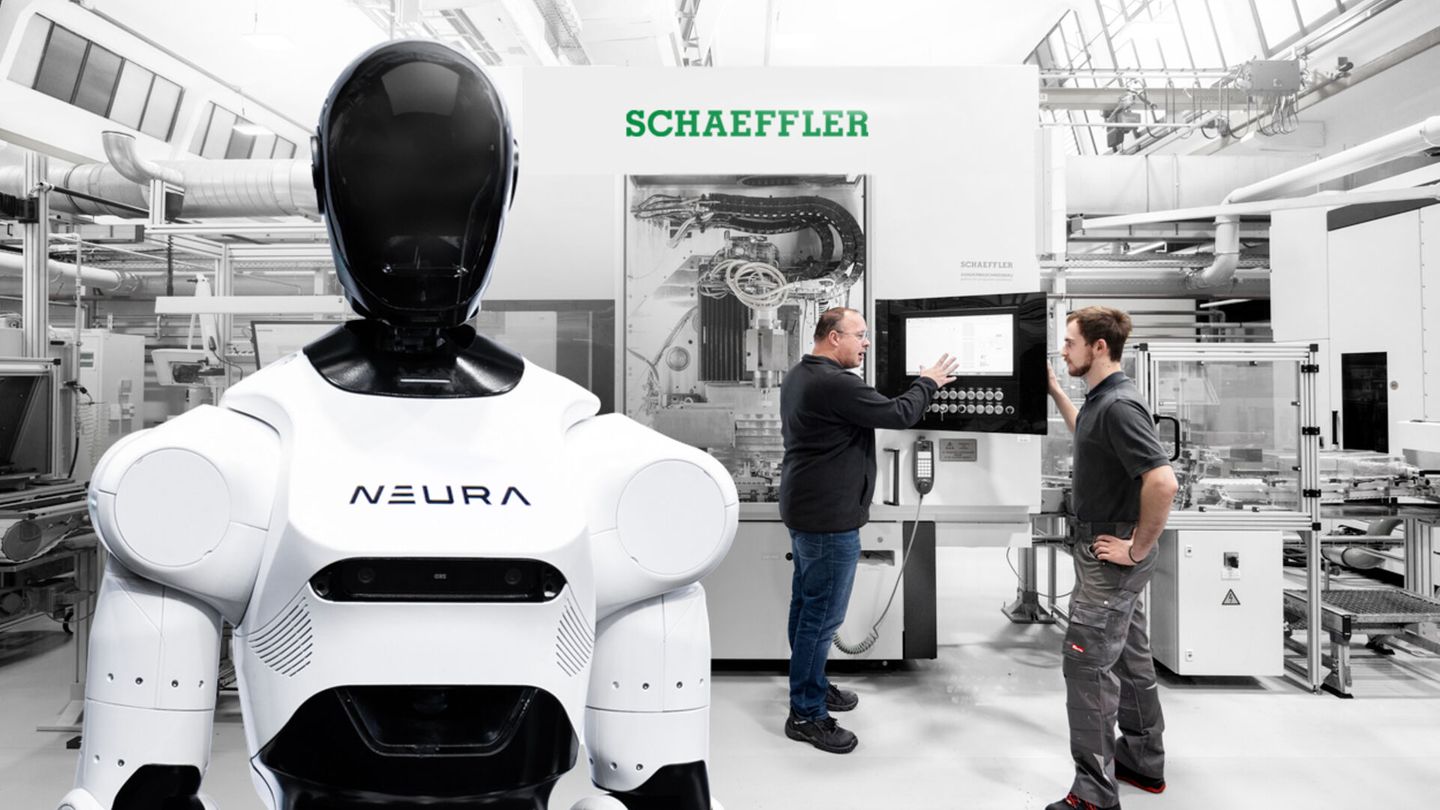
The next published prices belong to different kinds of product. 1X's NEO costs $20,000, or $499 a month, and is a home robot sold with a warranty, support and remote expert help. NEURA's 4NE1 Gen 3.5 is estimated at €60,000 each for orders of 20 or more and €98,000 for smaller orders, excluding tax and shipping. Neither should be ranked against a research kit on price alone.
Several other low-cost research platforms have no public price: Booster's T1, EngineAI's PM01, AgiBot's A2, Galbot's G1 and Fourier's GR-2 are sold by quote. Ask for written quotes on the same configuration (hands, compute, batteries and development access) before comparing.
Budget for what surrounds the robot. Fine-tuning an open model such as NVIDIA's GR00T N1.7 calls for a GPU with 40 GB or more of memory, according to its repository, and spare batteries matter when one lasts an hour. The lowest useful cost is the price of the configuration that can run your project, plus the computer, batteries and staff time it needs.