 Buy this domain
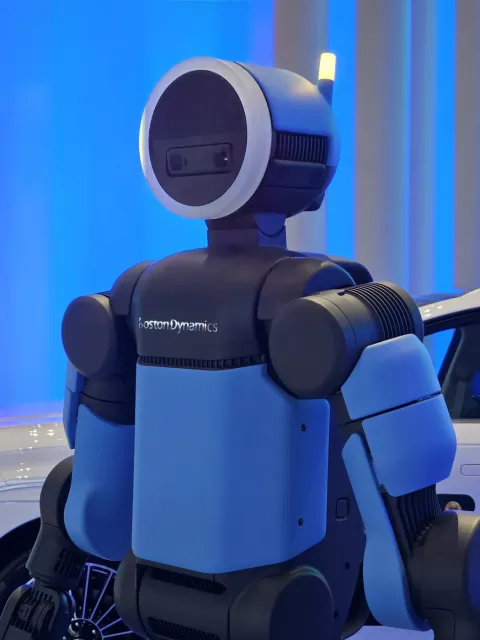
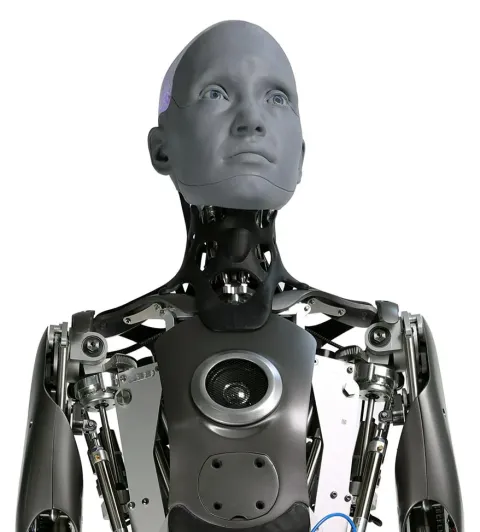
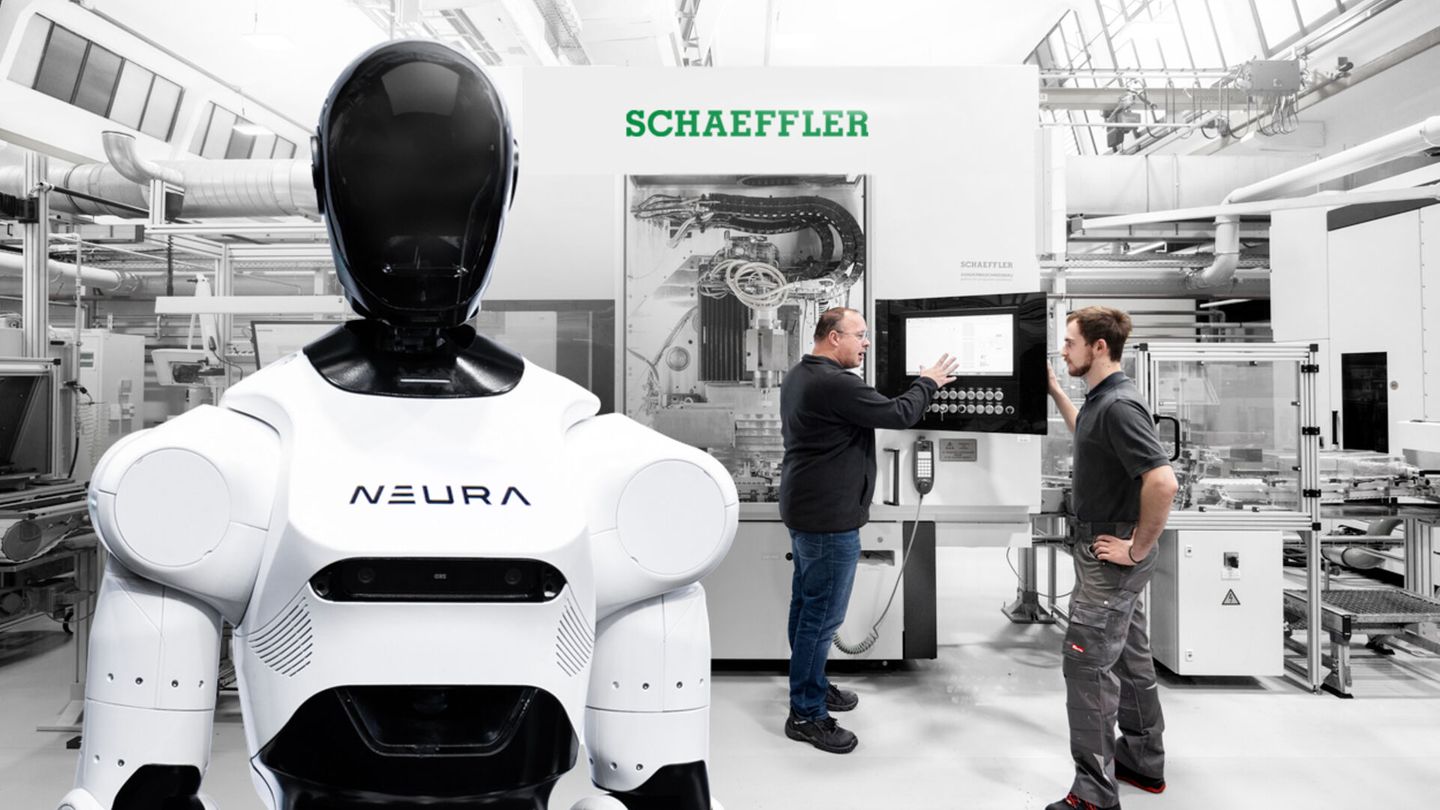
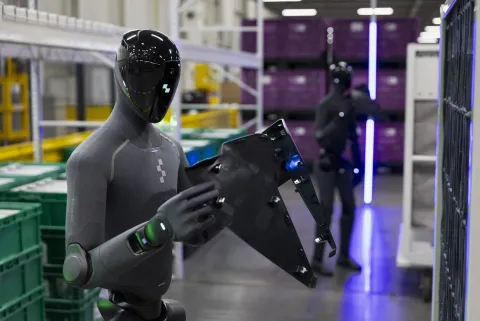

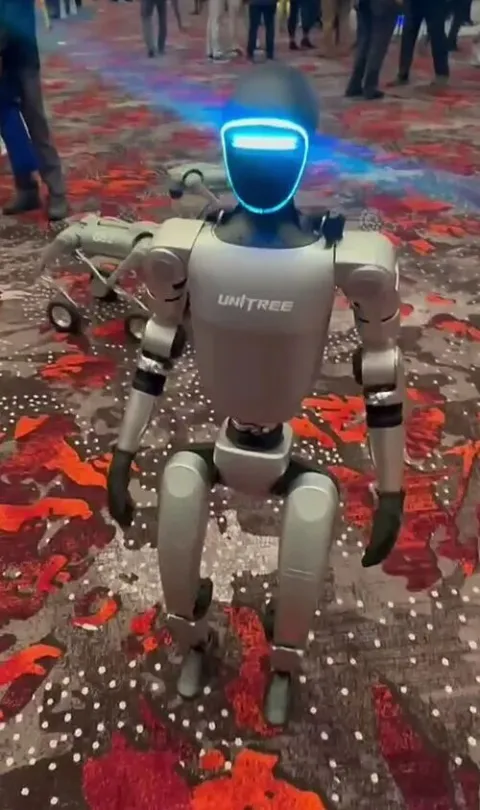
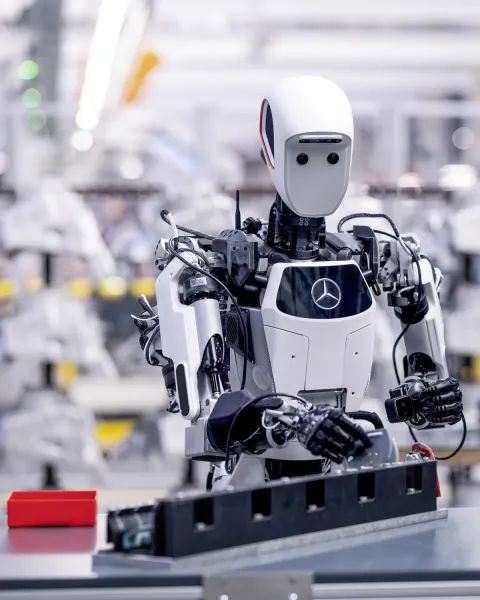
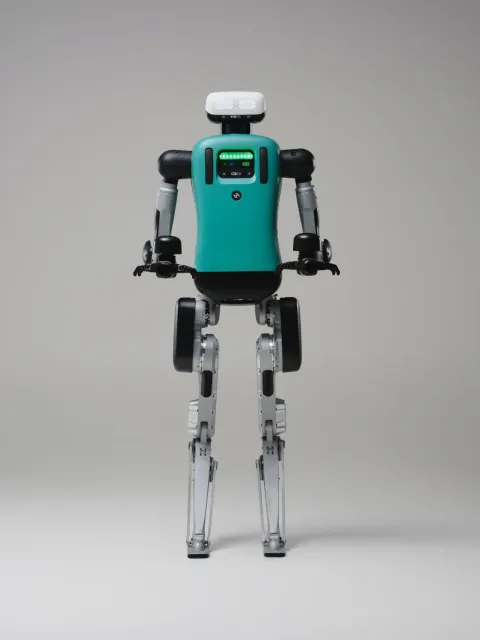
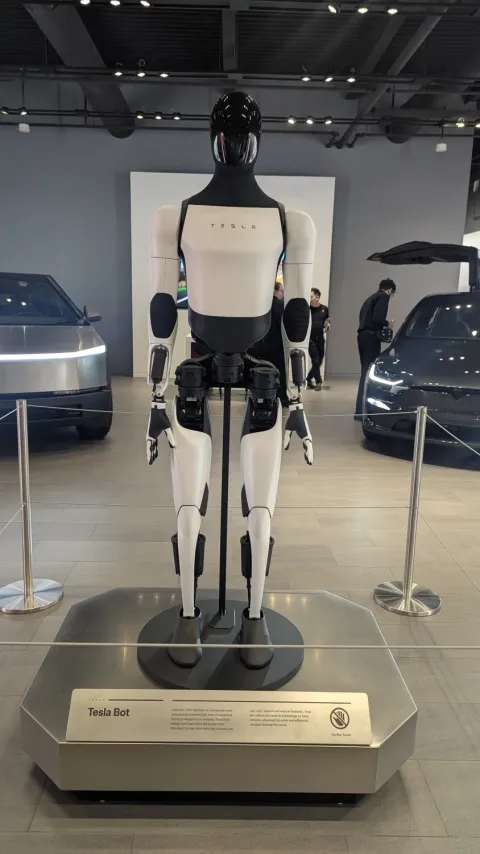
The gaps are part of the record. Of the 18 robots listed in November 2026, four have a public price: Unitree's G1 and R1, 1X's NEO and NEURA's 4NE1 reservation. Tesla has published no height, mass, payload or runtime for Optimus, so its row is mostly blank. A blank tells you what a maker has not committed to in writing.
Compare the same configuration. Unitree's G1 has 23 degrees of freedom in its base version and 23 to 43 in the EDU version. The base arm carries about 2 kg and the EDU arm about 3 kg; the base warranty runs 8 months and the EDU's 18. Only the EDU lists secondary development, according to Unitree's product page. Pairing the price of one with the specification of the other will mislead you.
Compare the same generation and the same kind of number. Agility's Digit 5 figures (a 50 lb, or about 23 kg, payload, 90 minutes of runtime and a nine-minute recharge target) are preliminary ratings for hardware due for general availability at the end of 2027. They do not describe the Digit 4 robots working at GXO today. Unitree lists the H1 at 3.3 m/s on its specification sheet and separately reports a faster competition run; we show the listed figure.
Labels tell you how much weight a value can bear. Unmarked values come from the maker. "Reported" means only secondary sources give the figure. "Contested" means sources disagree: EngineAI's launch article gives the PM01's mass as 42 kg, while its January 2025 FAQ says about 40 kg, so we show the range.
Status labels describe the furthest stage we can document, from concept to on sale, and are defined on our About page. Prices and delivery terms change, so confirm the full quote, software access, warranty and shipping region with the maker before you buy. If a figure here is out of date, tell us and include the source.