 Buy this domain
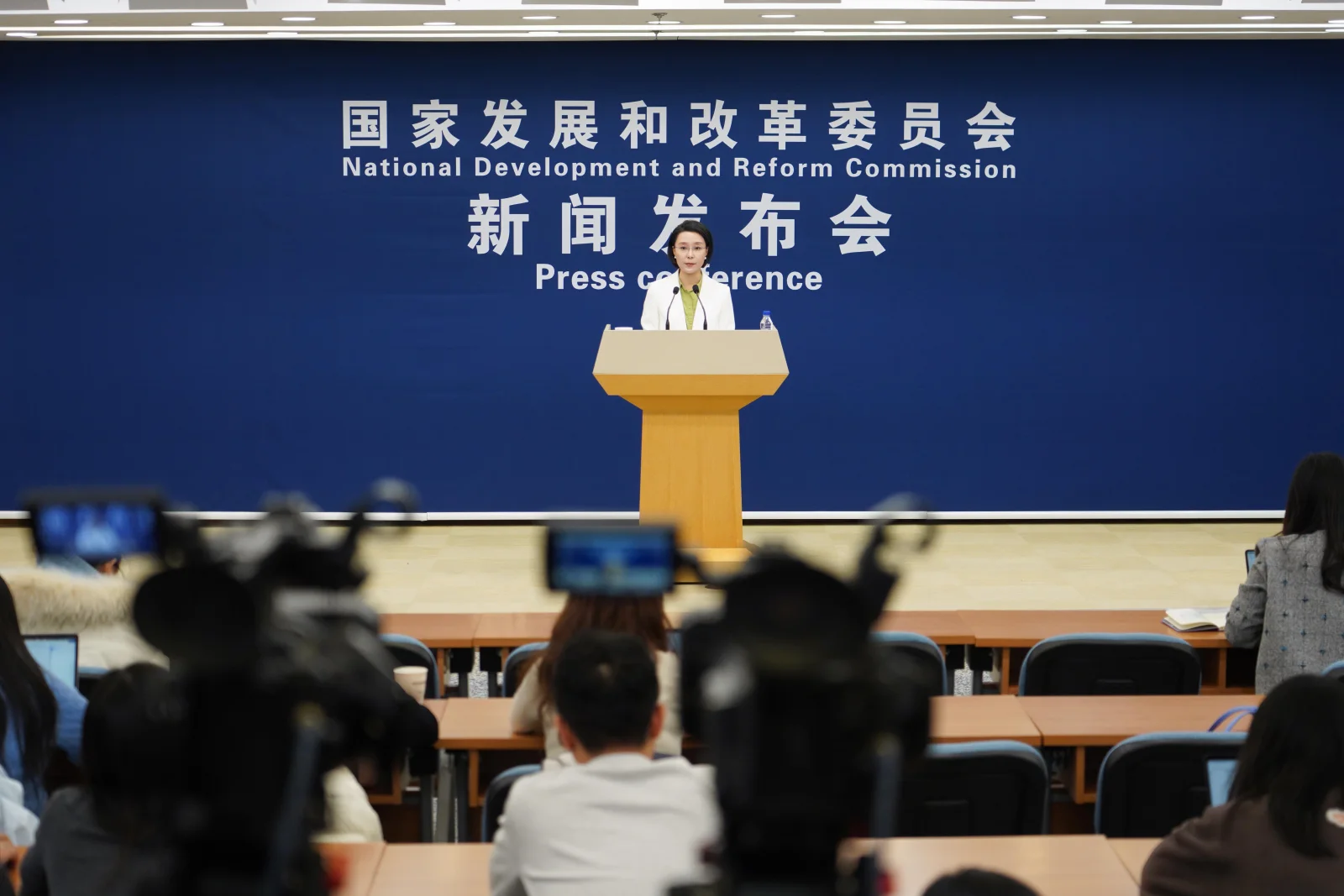
China’s top economic planner has warned that the country’s humanoid robot boom could produce too many similar products. At a press conference on November 27, 2025, National Development and Reform Commission spokesperson Li Chao said China had more than 150 humanoid robot companies, more than half of them startups or entrants from other industries, Xinhua reported.
“Meanwhile, humanoid robots have yet to fully mature in terms of technological pathways, business models and application scenarios.”
Li Chao, NDRC spokesperson, as reported by Xinhua
Li cautioned against two risks: a glut of homogeneous products and a shrinking space for research and development. The second is the less obvious one. If money chases near-identical robots built for demonstrations, less is left for the harder problems in hands, control software and reliability.
What the NDRC plans to do
The commission said it will work with other departments on industry standards and evaluation systems, and on entry and exit mechanisms for the sector, with the stated aim of fair competition. It also mentioned infrastructure for embodied intelligence and nationwide integration of technology and industry resources.
The same report cited a forecast from the Development Research Center of the State Council: China’s embodied intelligence market reaching 400 billion yuan (about US$56.5 billion) in 2030 and more than 1 trillion yuan in 2035. Those are projections, and the report did not say how they were built.
The cross-sector entrants
The months since have shown what cross-sector entry looks like. Carmaker XPENG commissioned a humanoid production line in September 2026, with outside deliveries planned for 2027. Smartphone maker Honor, which Sixth Tone reports entered embodied AI less than a year before, swept the top six places in Beijing’s robot half marathon in April 2026. Neither is a startup, and both carry engineering over from cars or phones.
At the other end, Unitree, a robot specialist founded in 2016, reported more than 5,500 humanoid shipments in 2025 in its IPO prospectus.
The concrete test of the NDRC’s words is whether national evaluation standards for humanoid robots are published, and whether any entry or exit rules follow. Consolidation among the 150-plus companies, through mergers or closures, would be the market’s own answer.